Luxury inpatient rehab in the US
Luxury inpatient rehab means private-pay residential care with upscale amenities. This guide helps you compare what each level of care actually involves.

- options near the United States
- 934
- take Medicaid
- 515
- take private insurance
- 881
Luxury inpatient rehab is a category name, not a promise. In this directory it means residential programs run by private for-profit organizations that accept private insurance or self-payment, with amenities beyond basic room and board. SAMHSA FindTreatment.gov lists 934 such programs nationwide as of November 15, 2026. Of those, 881 accept private insurance, 515 accept Medicaid, 126 accept Medicare, and 127 offer a sliding fee. These are national counts over the matching SAMHSA listings, not counts for any one town. Use them to understand the size of the private-pay segment, not to assume availability near you.
Amenities vary widely. Some programs offer private rooms, fitness facilities, or chef-prepared meals; others offer little beyond the basics. When you compare luxury rehab centers, look at staffing levels and clinical hours first, then amenities. The most useful questions are about who provides care, how often you see a clinician, and what privacy you can expect. Ask for a typical weekly schedule in writing before you commit.
How many facilities and what they accept
Across the country, 934 SAMHSA-listed private for-profit residential programs match this focus. Among them, 881 accept private insurance, 515 accept Medicaid, 126 accept Medicare, and 127 offer a sliding fee scale. These are national figures. The count of luxury inpatient rehab programs in your state or metro area will be smaller. Use the state and metro pages to see local listings. For a count of luxury drug and alcohol rehab centers in your area, start with the state page, then narrow to the metro.
Payment acceptance differs from one program to another. A program accepting private insurance may not take Medicaid, and Medicare acceptance is less common. Whether Medicaid is an option at all depends on your state's expansion status. As of October 16, 2026, 40 states and the District of Columbia have adopted expansion, according to KFF. Ten states have not: Alabama, Florida, Georgia, Kansas, Mississippi, South Carolina, Tennessee, Texas, Wisconsin, and Wyoming. When you call a center, ask which insurance plans and payment methods it accepts before you discuss anything else.

- take Medicaid
- 515
- pay via private insurance
- 881
- work with Medicare
- 126
- provide reduced fees
- 127
| Center | Town | Offers | Takes |
|---|---|---|---|
| Bradford Health Services | Madison, AL | Detox, Residential, OTP | Medicaid, Insurance |
| Educational Center for GAD LLC | Pine Bluff, AR | Residential, PHP, IOP, Outpatient | Medicaid, Medicare, Insurance, Sliding fee |
| Buena Vista Health and Recovery LLC | Tucson, AZ | Detox, Residential, PHP, IOP, Outpatient | Medicaid, Insurance |
| Caring Hands Recovery LLC | Corona, CA | Detox, Residential | Insurance |
| Avenues Recovery Center at Denver | Aurora, CO | Detox, Residential, PHP, IOP, Outpatient | Medicaid, Insurance, Sliding fee |
| Newport Academy | Bethlehem, CT | Residential, PHP, IOP, Outpatient | Insurance |
| Banyan Delaware | Milford, DE | Detox, Residential, PHP, IOP, OTP | Medicaid, Insurance |
| Palm Beach Recovery Centers | West Palm Beach, FL | Detox, Residential | Insurance |
| Acworth Outpatient Detox | Acworth, GA | Detox, Residential, Outpatient | Medicaid, Insurance |
| Hawaii Island Recovery | Kailua Kona, HI | Detox, Residential, Outpatient | Insurance, Sliding fee |

Paying for private residential care
Most private-pay residential care gets paid for by private insurance or from your own funds. Among the 934 programs, 881 take private insurance, 515 take Medicaid, 126 take Medicare, and 127 have a sliding fee. Even when a program takes insurance, you may face deductibles, copays, and out-of-network rates. Before you commit, request a written estimate of what you will owe. Nobody can guarantee coverage or admission ahead of time.
What happens during your call
Check the listing and verify the basics
Start with the SAMHSA listing for the program, then call the program directly. Confirm it is a residential program, not outpatient, and ask whether it accepts your insurance or self-payment. Ask for the license and accreditation status in writing.
Ask about level of care and withdrawal
Medical detox is listed at 646 programs nationally, separate from the 934 residential programs. Ask whether the program provides detox on site or refers out, and how withdrawal is monitored.
Ask about staffing, privacy, and daily schedule
Ask who provides therapy, how many clinical hours a day are scheduled, and whether rooms are private. Request a sample weekly schedule. If you are paying for amenities, ask which ones are included and which cost extra.
Plan for aftercare before you leave
Ask what the program offers for discharge planning and continuing care. Outpatient and telehealth options exist; 588 of the 934 programs offer telehealth.
Who luxury inpatient rehab fits
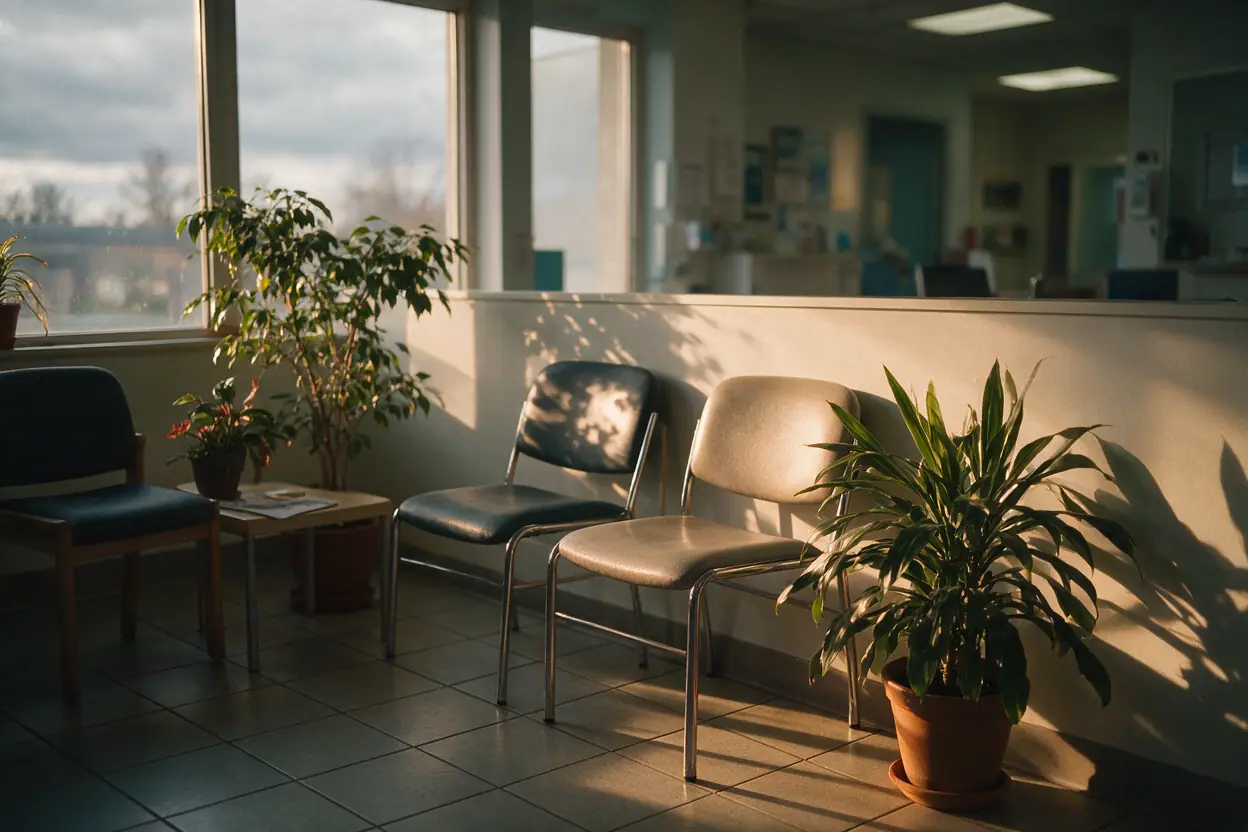
- People who want a private room and a quieter setting. Privacy is a legitimate preference, not a luxury. Ask each program whether rooms are private or shared and whether phones and visitors are restricted. If privacy affects whether you follow through with care, say so when you call programs.
- Of the 934 programs, 783 offer dual diagnosis care. That means mental health and addiction treatment are addressed together. When both conditions are present, check that the program offers dual diagnosis services.
- People who want a particular location, near home or far from it. The directory is organized by state and major metro area, so you can compare programs in Los Angeles, Houston, or elsewhere. If location matters for family visits or aftercare, compare rehabs by metro area first.
Other levels of care
FAQ in brief
Does insurance cover luxury inpatient rehab?
Often, private insurance is accepted: 881 of the 934 listed programs accept it. Coverage depends on your plan, whether the program is in network, and the level of care your assessment recommends. Call your insurer and the program to confirm benefits before you commit. No one can guarantee coverage in advance.
What is a luxury treatment program?
In this directory, luxury is a category name for private-pay residential programs with upscale amenities. They are run by for-profit organizations and accept private insurance or self-payment. Amenities vary from private rooms to fitness facilities.
How long do inpatient programs last?
Program lengths are not included in this directory. Ask every program what its usual length of stay is and what it does if you need additional time. As of November 15, 2026, the national listings show 934 private-pay residential programs.
What is the most expensive rehab in the US?
This directory does not list prices, so it cannot identify the most expensive program. Costs depend on the program, location, room type, and length of stay. Ask each program for a written cost estimate. Of the 934 listed programs, 127 offer a sliding fee scale for people who need help with cost.
Where do most celebrities go to rehab?
This directory does not track celebrity admissions and cannot say where public figures receive care. It lists 934 private-pay residential programs nationally, organized by state and metro area. If privacy is your priority, ask programs directly about private rooms, visitor policies, and how they handle confidentiality.
How can I compare luxury inpatient rehab programs?
Start with the state and metro pages, then call programs directly. Of the 934 listed programs, 783 offer dual diagnosis care and 588 offer telehealth. Ask about staffing, clinical hours, room privacy, insurance acceptance, and aftercare planning. Write down answers so you can compare like with like.